Unmasking Unintentional Discrimination: A
Framework for Bias-Aware Medical Device Design
Project Overview
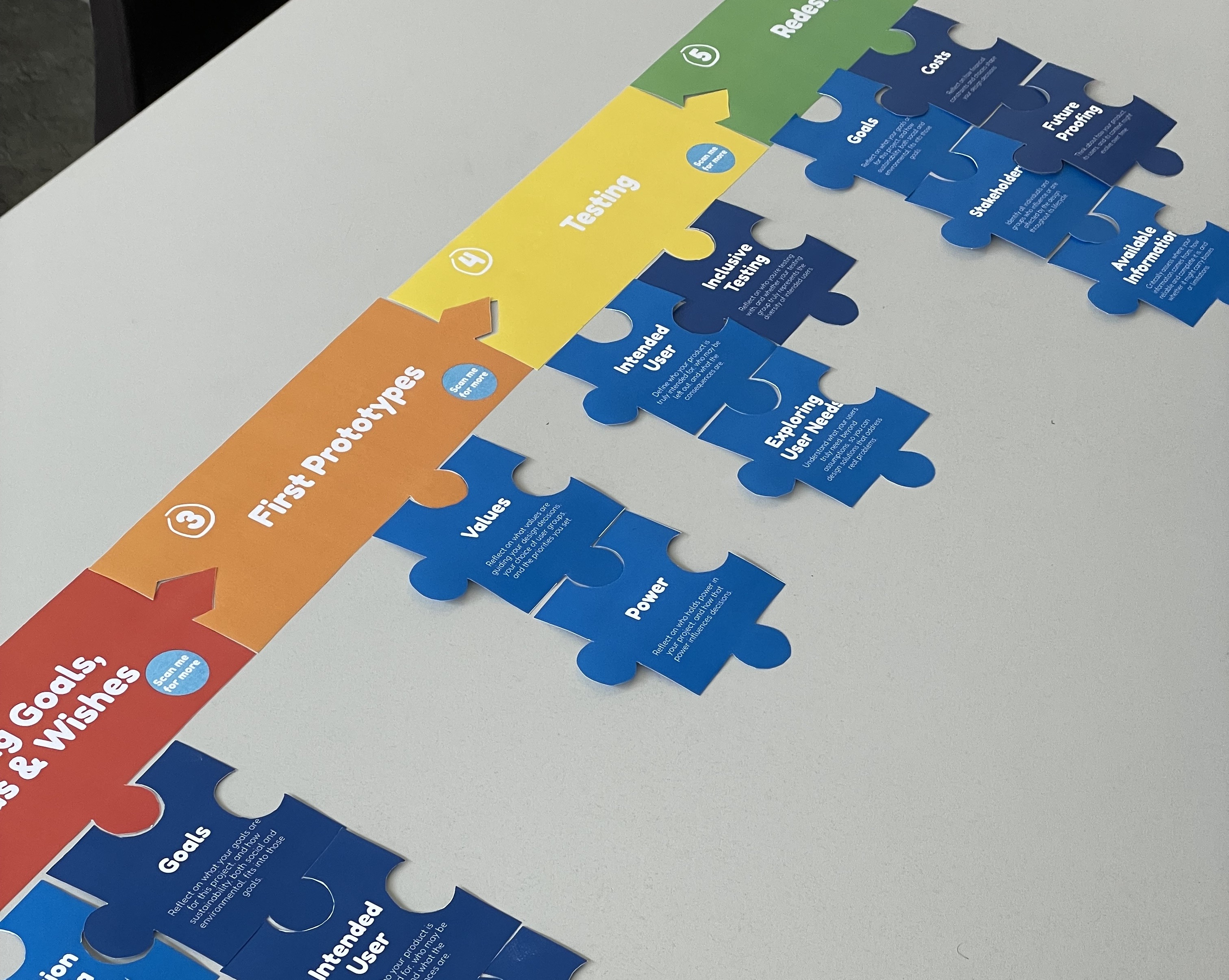
This thesis investigates how discriminatory biases manifest in the design of physical medical devices and proposes methods to mitigate these biases through inclusive design practices. While algorithmic bias in medical software has received growing attention, physical devices, such as masks, implants, and assistive technologies, continue to reflect exclusionary assumptions, often leading to unequal health outcomes. This study begins by defining key concepts such as bias and discrimination, and analyzing their structural and cognitive dimensions within healthcare. It then explores how regulatory frameworks like the EU Medical Device Regulation (MDR) and ISO 13485 influence design practices, often prioritizing safety and performance while overlooking inclusivity. A benchmark analysis of existing design and inclusivity frameworks reveals a gap in operational tools that address discrimination in physical medical device design. The research adopts a Research through Design approach and uses medical face masks as a case study to explore four key domains of exclusion: age, ability, education and sex and gender. Through expert interviews, design exercises and co-creation workshops, the study develops an inclusive design tool that supports reflection and intervention during the design process. The Inclusive Design Puzzle is aimed at guiding designers and engineers in proactively recognizing and addressing exclusion risks. Ultimately, the thesis contributes to more equitable and context-sensitive design practices in medical technology, helping to align innovation with social justice and health equity goals.
Unmasking Unintentional Discrimination: A Framework for Bias-Aware Medical Device Design
Smet, Elisabeth • Ghent University
Project Info
- Status: Finished
- Duration: 2024 - 2025
- Lead: UGent
- Partners: Equal Care
- Funding: n.a. Thesis subject